MAY 29, 2026
How to Reduce Commercial Cooling Costs This Summer
If your commercial building’s cooling costs rise every summer, you are not alone. Air conditioning can be one of the biggest seasonal expenses for offices, retail spaces, warehouses, medical buildings, restaurants, and multi-tenant properties. The good news is that many cooling costs can be reduced with the right HVAC maintenance, timely repairs, smart system use, and, when needed, equipment upgrades.
For building owners and property managers in Raritan, Somerset County, and nearby New Jersey communities, preparing your commercial HVAC system before peak summer heat can improve comfort, reduce energy waste, and lower the risk of unexpected breakdowns. In this guide, we’ll cover practical ways to reduce commercial cooling costs while keeping your building comfortable and efficient.
Schedule Commercial HVAC Maintenance Before Peak Summer Heat
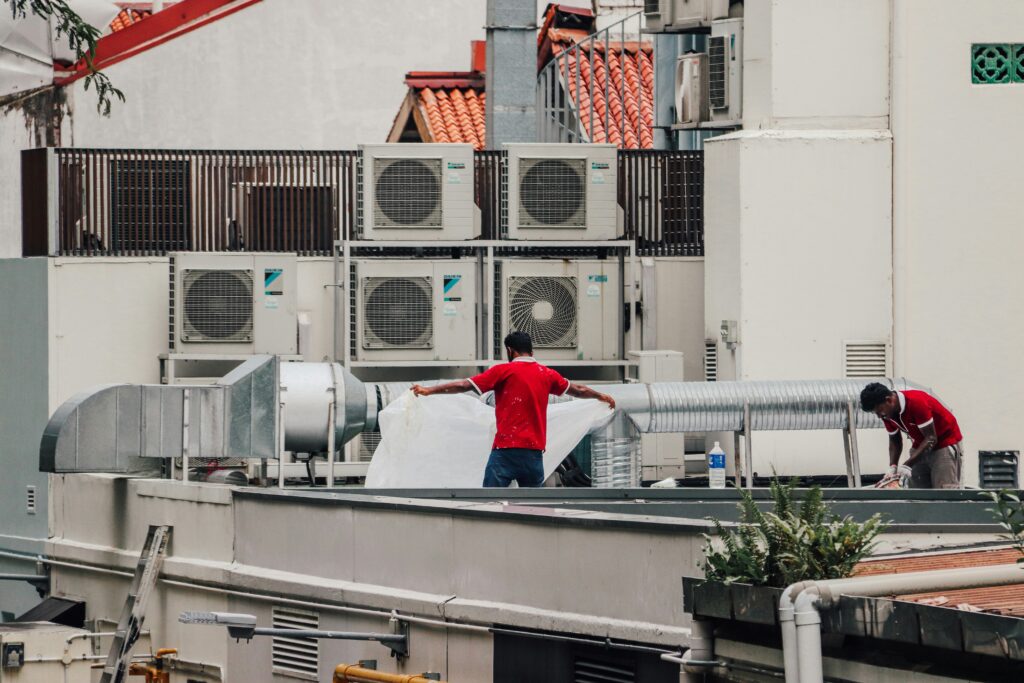
One of the most effective ways to control cooling expenses is to schedule commercial HVAC maintenance before your system is working at full capacity every day. A poorly maintained system has to work harder to cool the same space, which can lead to higher energy bills and more wear on equipment.
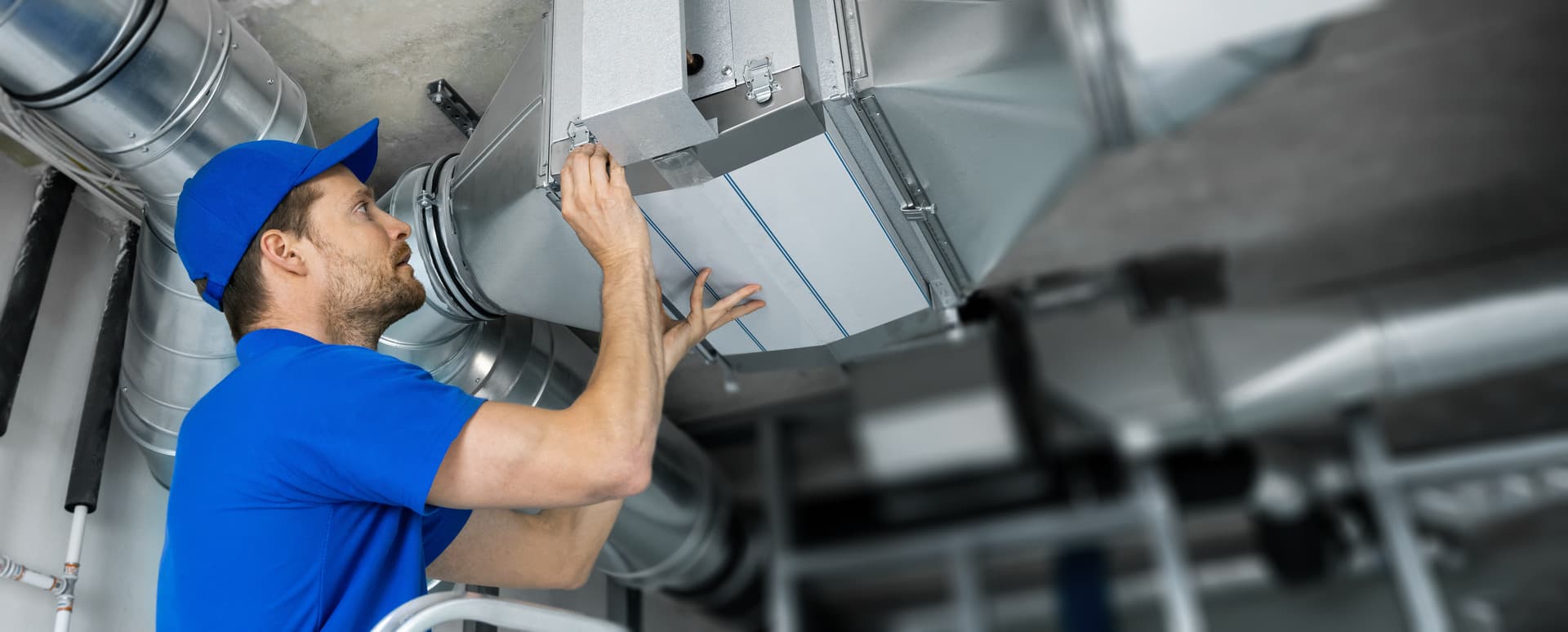
During a maintenance visit, an HVAC technician can inspect major components, clean coils, check refrigerant levels, test electrical connections, replace or inspect filters, and look for early signs of system problems. These steps help your cooling system run more efficiently and can prevent small issues from turning into larger repairs.
For property managers, routine maintenance also helps reduce tenant complaints related to uneven temperatures, poor airflow, or AC outages during hot weather.
Replace Dirty Air Filters Regularly
Dirty air filters are a common cause of higher commercial cooling costs. When filters are clogged with dust, dirt, and debris, airflow becomes restricted. This forces the HVAC system to work harder, which can increase energy use and reduce indoor comfort.
How often filters should be replaced depends on the type of building, system usage, indoor air quality needs, and foot traffic. A busy commercial property may need filter changes more often than a small office space. Restaurants, medical offices, retail locations, and multi-tenant buildings may also require more frequent attention.
Keeping filters clean is a simple but important step in improving efficiency and protecting your HVAC equipment.
Check Thermostat Settings and Controls
Thermostat settings can have a major impact on commercial cooling costs. Setting the temperature too low during business hours or leaving the system running at the same level after hours can waste energy quickly.
Building owners and property managers should review cooling schedules to ensure they align with actual occupancy. Programmable or smart thermostats can help reduce unnecessary cooling during evenings, weekends, or low-traffic periods. For larger commercial buildings, zoning controls may also help manage comfort in different areas without overcooling the entire property.
Even a small adjustment to temperature settings can make a noticeable difference over the course of a summer.
Seal Air Leaks and Improve Insulation
Your HVAC system may be working harder than it needs to if cooled air is escaping through gaps, leaks, or poorly insulated areas. Common trouble spots include exterior doors, windows, loading areas, ductwork, and older sections of the building.
Air leaks allow warm outdoor air to enter and cooled indoor air to escape. This makes it more difficult for the HVAC system to maintain a consistent temperature. Sealing leaks, repairing ductwork, and improving insulation can help reduce cooling demand and improve comfort throughout the building.
This is especially important for older commercial properties in Raritan and Somerset County, where aging infrastructure may contribute to energy loss.
Address AC Repairs Early
If your commercial AC system is making unusual noises, struggling to cool, cycling on and off frequently, or causing uneven temperatures, it is better to address the issue early. Delaying repairs can lead to higher utility bills, more expensive damage, and a greater chance of system failure during a heat wave.
Common issues such as refrigerant problems, worn parts, electrical issues, clogged drains, or damaged components can all affect performance. A professional inspection can help identify the problem and recommend the right solution before the system becomes more costly to operate.
Timely AC repair is not just about comfort. It is also an important part of controlling commercial cooling costs.
Consider Replacing an Older or Inefficient System
In some cases, maintenance and repairs may not be enough to make an older commercial HVAC system cost-effective. If your system is outdated, frequently breaking down, or unable to cool the building properly, replacement may be the better long-term option.
Modern commercial cooling systems are designed to be more energy efficient than many older units. While replacement is a larger upfront investment, it may help reduce monthly energy costs, improve indoor comfort, and lower the risk of emergency repairs.
A professional HVAC contractor can evaluate your current system and help determine whether repair or replacement makes the most sense for your building.
Reduce Heat Gain Inside the Building
Reducing the amount of heat entering or building up inside your property can also help lower cooling costs. Window coverings, reflective films, LED lighting, proper ventilation, and equipment scheduling can all help reduce indoor heat.
For example, replacing older lighting with more efficient options can reduce heat output. Keeping blinds or shades closed during the hottest parts of the day can also help limit solar heat gain. In commercial kitchens, server rooms, or equipment-heavy areas, proper ventilation is especially important.
The less heat your building absorbs, the less your HVAC system has to work to remove it.
Work With a Local Commercial HVAC Contractor
Commercial buildings have different cooling needs than residential properties. System size, occupancy, layout, ventilation, operating hours, and equipment demands all affect how a cooling system should be maintained or upgraded.
Working with a local HVAC contractor familiar with Raritan and Somerset County can help ensure your building receives the right maintenance, repairs, and recommendations for the area’s summer weather. Whether you manage an office, retail property, mixed-use building, or commercial facility, regular HVAC service can help control costs and support a more comfortable indoor environment.
FAQ: Commercial Cooling Costs
What is the best way to reduce commercial cooling costs?
The best place to start is with routine HVAC maintenance. Clean filters, properly maintained equipment, correct thermostat settings, and timely repairs can all help reduce energy waste and improve cooling efficiency.
How often should a commercial HVAC system be serviced?
Most commercial HVAC systems should be serviced at least twice a year: once before cooling season and once before heating season. Larger buildings or high-use systems may need more frequent maintenance.
Can an old AC system increase energy bills?
Yes. Older or poorly performing AC systems often use more energy to cool the same space. If a system needs frequent repairs or struggles to maintain comfortable temperatures, replacement may be worth considering.
Do property managers need commercial HVAC maintenance plans?
A maintenance plan can be very helpful for property managers. It keeps service on schedule, helps catch problems early, reduces the risk of emergency repairs, and supports greater comfort for tenants and other building occupants.
Keep Your Building Cooler and More Efficient This Summer
Reducing commercial cooling costs starts with a proactive approach. Regular HVAC maintenance, clean filters, smart thermostat use, early repairs, and energy-efficient upgrades can all help lower expenses while keeping your building comfortable.
For commercial building owners and property managers in Raritan and Somerset County, preparing your cooling system before the hottest part of summer can make a major difference in performance, comfort, and cost control.