
SEPTEMBER 25, 2026
Should You Cover Your AC Unit in Winter in New Jersey?
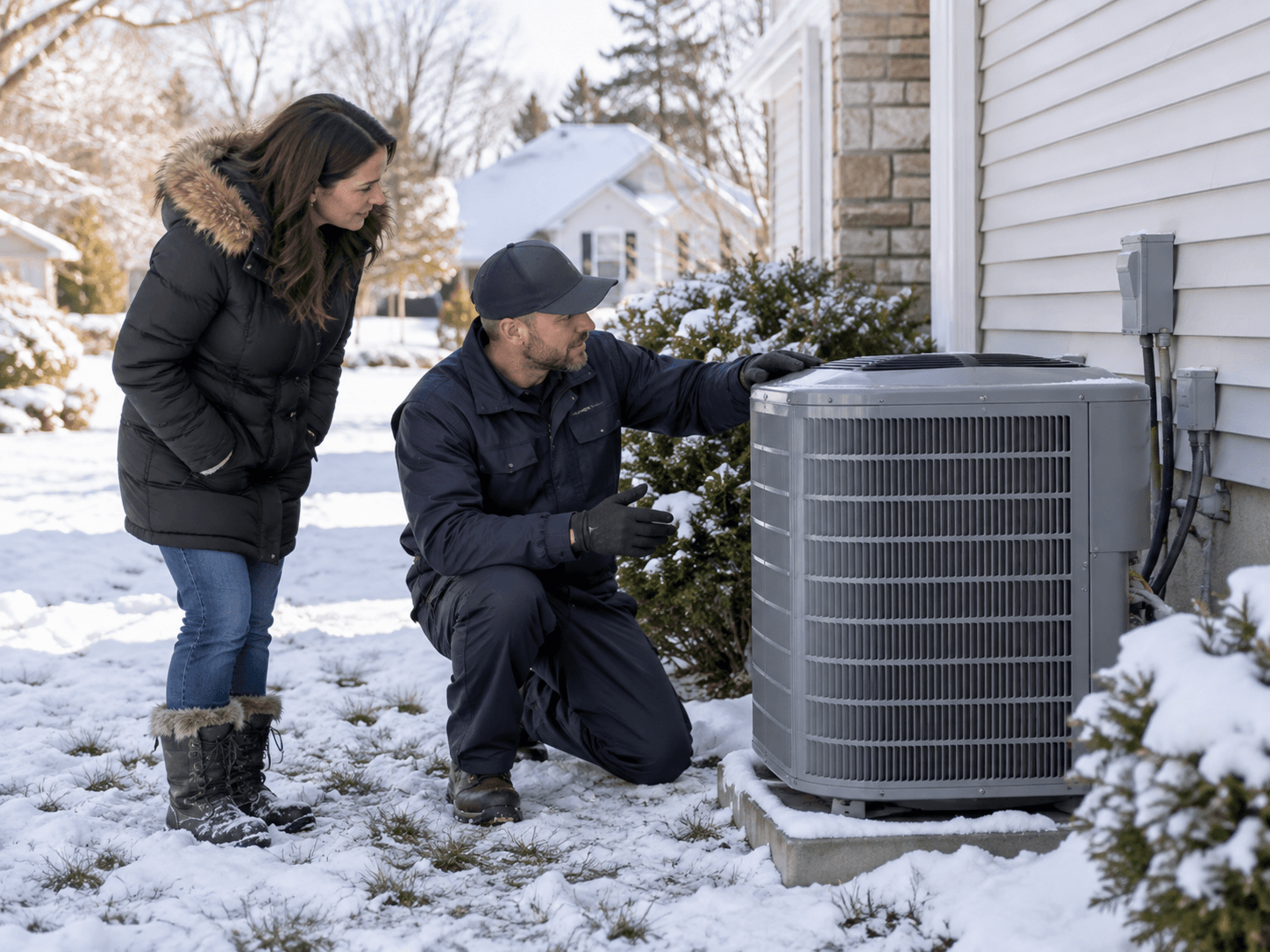
For most New Jersey homes, you don’t need to completely cover your AC unit in winter. Outdoor air conditioning equipment is built to handle rain, cold temperatures, and normal winter weather. In fact, wrapping the entire unit in plastic or another non-breathable cover can trap moisture and create problems you were trying to avoid.
There are situations where limited protection makes sense, especially if your outdoor unit sits under trees or in a spot where falling leaves, branches, ice, or other debris collect. The type of equipment matters too. If the outdoor unit is a heat pump that runs during winter, it needs unobstructed airflow and should never be wrapped up for the season.
At Temp Pros Mechanical, we provide air conditioning installation, maintenance, and repair for residential and commercial properties in Raritan and surrounding New Jersey communities. Here’s what to consider before putting a cover over your outdoor equipment this fall.
Should You Cover Your AC Unit in Winter?
Usually, no.
A standard central air conditioner has an outdoor condensing unit that sits outside throughout the year. Manufacturers build these cabinets and components for outdoor conditions, including rain, temperature changes, and snow.
Lennox addresses this question directly in its guide to covering an AC unit in winter. The manufacturer notes that modern outdoor air conditioners generally don’t require full winterization and warns that non-breathable covers can trap moisture.
That doesn’t mean you should ignore the outdoor unit until spring. Fall is a good time to remove leaves, trim vegetation, check for visible damage, and make sure debris isn’t collecting inside or around the cabinet.
The distinction is between protecting the equipment and sealing it off from the outdoors.
Why a Full AC Cover Can Cause Problems
A tightly wrapped vinyl or plastic cover might seem like the best defense against snow and rain. Unfortunately, it can create a damp space around the equipment.
Moisture can enter from humidity, condensation, melting snow, or rain that finds its way underneath the cover. If the cover prevents air circulation, that moisture takes longer to dry.
Over time, a consistently damp environment can contribute to corrosion on metal components. It may also encourage mildew or other moisture-related problems.
A full cover creates another possible issue: pests.
Mice and other small animals look for protected spaces once temperatures drop. A covered condenser can become an attractive winter shelter. Nesting materials and chewed wiring are problems you don’t want to discover when you turn the AC on again in May or June.
For those reasons, avoid simply throwing a tarp over the entire condenser and tying it tightly around the cabinet.
What About Snow and Ice on the Outdoor Unit?
Normal snowfall generally isn’t a reason to wrap a standard outdoor AC condenser.
Snow can sit on the cabinet or accumulate around it during the winter without automatically damaging the equipment. Because a straight air conditioning condenser isn’t operating during the heating season, it doesn’t need the same constant airflow that an operating heat pump needs.
Falling ice is different from ordinary snow.
If your AC sits directly underneath a roof edge where large icicles or sheets of ice regularly fall, physical impact could damage the fan guard, cabinet, or other parts of the unit. Heavy branches present a similar risk.
In that situation, a properly supported top cover or manufacturer-approved accessory may make sense. Protection should shield the equipment from impact without enclosing the sides and trapping moisture.
Don’t place loose plywood or another heavy object directly on top of the unit unless the equipment manufacturer specifically allows that setup and the protection is safely secured. Winter winds can turn unsecured materials into a hazard.
Make Sure You Know Whether You Have an AC or Heat Pump
This distinction matters before you cover anything.
A standard central air conditioner uses its outdoor unit for cooling. Once you switch to furnace heat for winter, that outdoor condenser generally stays off.
A heat pump also has an outdoor unit, but it can operate during the heating season. It moves heat into the house rather than sitting dormant all winter.
Because a heat pump needs to move outdoor air while it operates, enclosing it with a winter cover can interfere with normal operation.
If you’re unsure what type of system you have, check the equipment information or owner’s manual rather than guessing based on appearance. Many outdoor AC condensers and heat pumps look similar from the outside.
If the outdoor unit runs while your thermostat is heating the home, don’t cover it. Have the equipment identified before adding any type of winter protection.
When Limited Winter Protection Makes Sense
Some properties expose the outdoor unit to more debris than others.
A condenser positioned underneath deciduous trees may fill with leaves during the fall. Units near roof valleys can receive concentrated runoff or ice. Nearby shrubs can also drop twigs, seeds, and plant material into the cabinet.
In those cases, consider a manufacturer-approved top cover or another breathable solution that protects the opening while leaving adequate ventilation around the equipment.
Follow the equipment manufacturer’s instructions first. Cover requirements and approved accessories can vary by model.
You should also avoid building a tight box, fence, or enclosure around the condenser. Outdoor equipment needs clearance around it during cooling season, and permanent structures placed too close can interfere with access and airflow once summer returns.
What to Do Before Winter Instead of Wrapping the Unit
Basic cleanup usually does more good than a full cover.
Start by removing loose leaves, grass clippings, weeds, and other debris from around the outdoor cabinet. Don’t reach through the grille or remove access panels to clean components yourself.
Look at the area above the unit as well. If branches hang directly over the equipment, trimming them before winter can reduce the amount of material that falls into or onto the cabinet.
Keep stored items away from the condenser. Patio furniture, garden tools, firewood, trash cans, and seasonal decorations shouldn’t lean against the equipment during winter.
If the system had cooling problems during the summer, don’t assume winter will somehow resolve them. Our article on an AC that runs but doesn’t cool properly explains several common airflow, coil, refrigerant, and mechanical problems that deserve diagnosis.
Fall can be a practical time to make a note of unresolved issues so they don’t get forgotten until the first hot day next year.
Don’t Pressure Wash or Take the Unit Apart
An outdoor condenser may look dirty after a long cooling season, but aggressive cleaning can do more harm than good.
Avoid pressure washing the coils. High-pressure water can bend delicate fins and damage components.
You also shouldn’t remove electrical panels or reach inside the cabinet to pull out material that you can’t safely access from the outside.
Loose debris around the exterior is one thing. Internal cleaning and inspection are better handled during professional maintenance.
Temp Pros Mechanical’s tune-up and repair service includes inspections, cleaning, adjustments, preventive maintenance, and repairs for heating and cooling systems.
Should You Turn the AC Breaker Off for Winter?
Don’t make electrical changes simply because cooling season has ended.
Some homeowners turn off the outdoor disconnect or circuit breaker in fall, but whether that’s appropriate depends on the equipment and manufacturer instructions. Certain systems use electrical components such as crankcase heaters that may need power before startup.
A heat pump obviously needs electrical power throughout the heating season because the outdoor equipment continues operating.
If you aren’t sure how your specific system should be shut down or prepared for winter, follow the manufacturer’s instructions or ask during HVAC service. Don’t open electrical compartments or modify wiring as part of seasonal preparation.
Check the Outdoor Unit After Major Winter Weather
You don’t need to inspect a dormant AC condenser after every snowfall. It does make sense to take a look after unusually heavy snow, falling branches, or significant ice.
Check for obvious cabinet damage and make sure nothing large has fallen onto the unit.
If you have a heat pump, winter checks matter more because the outdoor unit needs airflow while heating the house. Keep snow and other obstructions from accumulating around an operating heat pump, but don’t chip or pry heavy ice from the equipment.
Mechanical noise, visible damage, or severe ice buildup around operating equipment deserves professional attention.
Remember to Remove Any Seasonal Cover Before Cooling Season
If you do use a seasonal cover, make removing it part of your spring routine.
An AC condenser can’t work correctly with a winter cover restricting airflow. Turning the cooling system on while the outdoor unit remains enclosed could create operating problems.
Before the first warm stretch, inspect the area around the condenser. Remove the cover, clear accumulated debris, and look for visible damage or anything that may have moved against the cabinet during winter.
It’s also a good time to schedule seasonal maintenance. A technician can inspect the equipment before it starts running through long New Jersey summer cooling cycles.
When Winter AC Maintenance Needs Professional Attention
Most winter preparation around a dormant outdoor condenser is simple. You can clear leaves, keep the surrounding area open, and visually check the cabinet without taking equipment apart.
Schedule service if you find damaged wiring, a bent or damaged cabinet, unusual staining or corrosion, or debris lodged where you can’t safely remove it.
You should also address any cooling problem that was already present at the end of summer. Waiting until the first hot day often means rediscovering the exact same weak airflow, unusual noise, startup problem, or poor cooling performance you noticed months earlier.
If you’d like the system inspected, contact Temp Pros Mechanical to schedule HVAC service in Raritan or the surrounding area.
For most homeowners, winter AC protection is straightforward: skip the airtight full-unit cover, keep leaves and debris away, and use model-appropriate protection only when the equipment faces a specific risk such as falling material. Most importantly, find out whether the outdoor equipment is a dormant AC condenser or an operating heat pump before covering any part of it.